

Collections
-

Baby Carriers
Meet hands-free, Comfortable carrying with Ergonomic Newborn Baby Carriers. The stylish version...
-

Baby Swaddles & Blankets
Organic cotton knitted baby blankets and swaddles for your baby to have...
-

Toddler Carriers
Coshen Toddler Carriers are designed for parents looking for a truly ergonomic...


Featured products
-
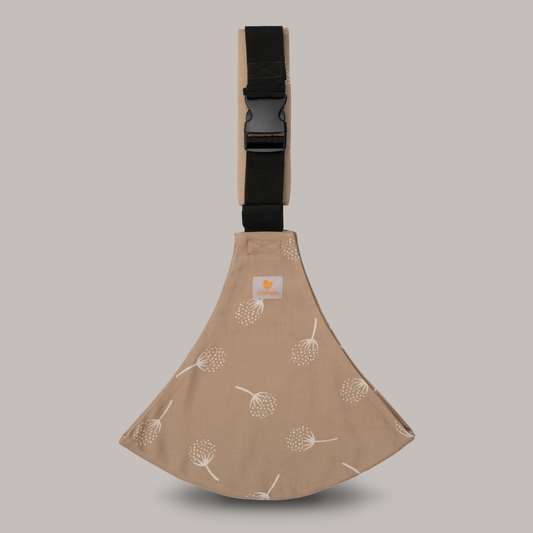
Toddler Carrier Mocha
Regular price From 2,055.00 TRYRegular priceUnit price per0.00 TRYSale price From 2,055.00 TRY -
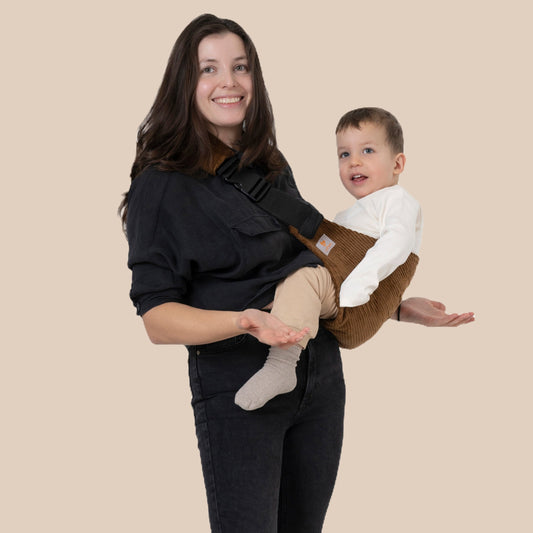
Toddler Carrier Brown
Regular price 3,109.00 TRYRegular priceUnit price per -
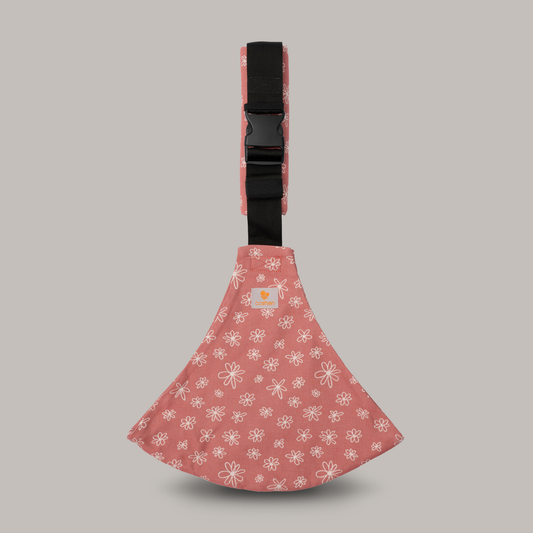
Toddler Carrier Flower
Regular price 3,109.00 TRYRegular priceUnit price per0.00 TRYSale price 3,109.00 TRY -
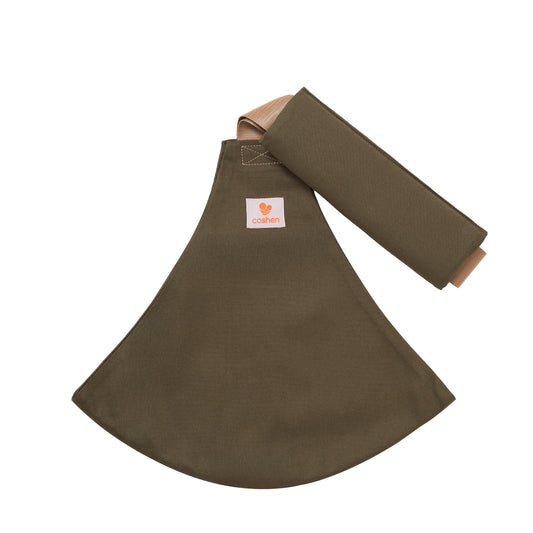
Toddler Carrier Green
Regular price 2,055.00 TRYRegular priceUnit price per0.00 TRYSale price 2,055.00 TRY




Best Ergonomic Baby Carrier, Toddler Carrier & Organic Baby Swaddle
The best ergonomic baby carrier is more than a convenience — it supports healthy hip development, natural spinal alignment, and long-term parental comfort.
From newborn bonding to toddler mobility, choosing the right baby carrier, toddler hip carrier, baby sling, or organic baby swaddle influences posture, emotional connection, and sleep quality during the most physically demanding years of parenthood.
At Coshen, we design a complete ergonomic babywearing system — from full-structured baby carriers to mobility-focused toddler hip carriers — built on anatomical research, certified safety standards, and breathable organic cotton craftsmanship.
What Is a Baby Carrier and Why Do Parents Need One?
A baby carrier is a structured ergonomic device that allows caregivers to carry an infant safely while distributing weight across the hips and shoulders rather than the arms and lower back. When engineered correctly, it supports the recommended M-position, preserves natural spinal curvature, and enables hands-free mobility throughout daily routines.
Unlike improvised carrying methods, a well-designed baby carrier reduces muscle fatigue and supports long-term posture for parents. It creates stability without restricting natural infant positioning.
A high-quality ergonomic baby carrier should:
· Keep knees higher than hips (M-position)
· Support full thigh width without leg dangling
· Maintain a curved spinal posture
· Distribute weight through the waistband
· Use certified, skin-safe materials
Coshen baby carriers are suitable from 3.5 kg (7.7 lbs) up to 15 kg (33 lbs), with adjustable panel height and width to ensure correct ergonomic alignment as your baby grows.
Best Ergonomic Baby Carrier for Newborn to Toddler (3.5kg–15kg)
The best baby carrier is defined by structural adaptability, not appearance. A properly engineered ergonomic baby carrier must adjust to developmental changes while maintaining hip-healthy support and balanced weight distribution.
Coshen carriers feature adjustable seat dimensions (28–40 cm height and 16–37 cm width), multiple carrying positions including front, hip (after 6 months), and back carry (after 10 months), and reinforced safety buckles tested for durability. Breathable organic cotton protects delicate skin while allowing airflow during extended wear.
Rather than replacing carriers at every growth stage, a well-designed system adapts — preserving correct positioning from newborn phase through early toddlerhood.
Safe Baby Carrier for Newborn
Choosing a safe baby carrier for a newborn requires structural stability in addition to soft fabric. Proper head and neck positioning, seat width adjustment, and airway safety are essential during the first months.
A newborn-safe carrier should:
· Hold the baby high and close to the caregiver’s chest
· Support natural hip positioning
· Provide adjustable panel dimensions
· Use breathable, chemical-free fabric
When these factors work together, a baby carrier becomes a secure and developmentally appropriate solution for early infancy.
Hip Healthy Baby Carrier
A hip healthy baby carrier keeps the baby’s knees positioned above hip level, forming the natural “M-position” recommended for joint development. This posture supports the femoral head inside the hip socket and reduces unnecessary pressure on developing joints.
In addition to correct seat width, proper thigh support and balanced weight distribution protect both baby and caregiver from strain. Ergonomic design is not aesthetic — it is anatomical.
Toddler Hip Carrier vs Baby Carrier
As your child grows, their carrying needs change — not only in weight, but in mobility and independence.
A traditional baby carrier is designed for full-body ergonomic support, typically securing the child with two shoulder straps and a structured waistband. It is ideal for newborns and longer, hands-free carrying sessions where full spinal and hip positioning support is required.
A toddler hip carrier, however, serves a different purpose.
Rather than enclosing the child in a full carrier system, a toddler hip carrier provides a secure, elevated seat on the hip — allowing quick ups and downs, natural leg movement, and greater flexibility during short to medium carrying sessions. It is especially practical for toddlers who walk independently but still want to be carried intermittently.
The difference is not about size — it is about function.
A toddler hip carrier typically offers:
• An ergonomic hip seat that supports the child’s weight from underneath
• Reinforced shoulder support for stability
• Balanced weight distribution to reduce single-side strain
• Quick on-and-off usability for active parenting
Unlike structured baby carriers, toddler hip carriers are designed for mobility, convenience, and everyday transitions — such as travel, stairs, errands, and outdoor walks.
Coshen toddler hip carriers are tested under ASTM F2236-16a standards and comply with EN71 safety regulations, ensuring structural reliability, stability, and comfort for dynamic, real-life use.
Why an Ergonomic Toddler Hip Carrier Supports Healthy Movement
A toddler hip carrier serves a different ergonomic purpose than a full-structured baby carrier.
Rather than enclosing the child for long, full-body support sessions, an ergonomic toddler hip carrier is designed to provide stable under-seat support during short to medium carrying intervals — especially for toddlers who walk independently but still seek closeness.
Proper ergonomic design in a toddler hip carrier ensures:
• The child’s weight is supported from underneath through a structured hip seat
• The hips remain in a naturally flexed and comfortable position
• The spine stays upright without forced compression
• The caregiver’s shoulder and core work in balance to prevent single-side overload
Unlike a baby carrier that provides extended anatomical positioning support, a toddler hip carrier focuses on mobility, quick transitions, and balanced load distribution during everyday movement.
When properly designed, it reduces localized strain, supports natural posture, and allows both parent and child to move comfortably and safely through daily routines.
An ergonomic toddler hip carrier is not a larger baby carrier — it is a mobility-focused carrying solution built for dynamic use.
What Is a Baby Sling and When Should You Use It?
A baby sling is a soft, flexible carrying solution designed primarily for newborn bonding and early infancy. Unlike structured carriers, a baby sling wraps around the caregiver’s body, allowing close skin-to-skin positioning and natural movement.
It is particularly useful during the first months when emotional bonding, feeding accessibility, and gentle containment are essential.
A well-designed baby sling should:
· Provide adjustable wrap tension
· Support airway-safe positioning
· Maintain natural hip alignment
· Use breathable organic fabric
Coshen baby slings are crafted from 100% organic cotton, offering softness without sacrificing stability. The lightweight structure makes them ideal for short indoor sessions, quick errands, and newborn comfort.
Baby Sling vs Baby Carrier
Choosing between a baby sling and a baby carrier depends on daily lifestyle and developmental stage.
A baby sling is typically preferred for:
· Newborn stage bonding
· Short-duration carrying
· Frequent feeding access
· Indoor use
A baby carrier is better suited for:
· Longer outdoor walks
· Travel and commuting
· Structured ergonomic support
· Back-carry options as the baby grows
Many parents combine both systems to maintain flexibility throughout the first year.
Understanding when to use each tool creates a more complete and developmentally appropriate babywearing experience.
What Is a Baby Swaddle and How Does It Improve Sleep?
A baby swaddle is a breathable wrap designed to recreate the secure, contained feeling of the womb. By gently limiting sudden arm movements (the Moro or startle reflex), swaddling helps newborns settle more easily and maintain longer, uninterrupted sleep cycles.
When used correctly, a baby swaddle supports calm transitions between sleep phases without restricting healthy hip movement.
A high-quality baby swaddle should:
· Allow natural leg mobility for hip development
· Prevent overheating through breathable fabric
· Provide secure but gentle upper-body containment
· Adapt to transitional sleep stages
Proper swaddling has been shown to reduce unnecessary waking during early infancy, helping newborns develop more stable sleep rhythms.
Organic Cotton Baby Swaddle for Safe, Breathable Sleep
Material choice plays a critical role in sleep safety. Babies regulate temperature differently than adults, making breathable, chemical-free fabrics essential.
Coshen baby swaddles are crafted from 100% OEKO-TEX certified organic cotton, free from azo dyes and harmful substances. The soft knit structure allows airflow while maintaining gentle containment.
Our transitional swaddle design includes:
· A free-leg structure that protects hip positioning
· An adjustable inner swaddle for newborn use
· Hands-up and hands-out transition options
· A zippered system for quiet diaper changes
· All-season temperature adaptability
Designed for 0–6 months, the swaddle functions as both a newborn wrap and a sleep bag, adjusting as developmental needs evolve.
Why Organic Cotton Matters in Baby Carriers & Swaddles
Newborn skin is thinner, more absorbent, and more sensitive than adult skin. Fabric quality directly affects comfort, airflow, and irritation risk.
Organic cotton provides:
· Natural breathability
· Temperature regulation
· Reduced exposure to chemical residues
· Hypoallergenic softness
In both baby carriers and baby swaddles, organic cotton enhances comfort while supporting skin safety during prolonged daily contact.
Fabric safety is not a luxury feature — it is foundational.
Safety Certifications & Global Standards
Safety is not an optional upgrade. It is a baseline requirement.
Coshen products comply with internationally recognized standards, including:
· ASTM F2236-16a carrier safety standards
· EN71-2 and EN71-3 compliance
· Azo dye, carcinogenic, and allergenic testing
· OEKO-TEX fabric certification
These certifications confirm structural integrity, material safety, and long-term durability under real-life use conditions.
Tested compliance builds trust — and trust builds confidence.
Fast Shipping, Easy Returns & Worldwide Delivery
Reliability extends beyond product design.
We provide:
· Same-day shipping for weekday orders placed before 2 PM
· Free express shipping to the EU, UK, and USA
· Worldwide delivery with automatic checkout calculation
· 30-day easy returns for unused products
· Secure tracking via SMS and email
Because modern parenting requires systems that work — not delays.
Invest in a Complete Ergonomic Babywearing System
A premium baby carrier, toddler carrier, or baby swaddle is not a short-term purchase. It influences posture, energy levels, emotional bonding, and mobility during one of the most physically demanding stages of life.
Investing once in a properly engineered ergonomic system reduces the need for replacements while protecting both comfort and development over time.
Trusted by Parents Worldwide
From Germany to France, the United States to Turkey, families choose Coshen for anatomical precision, sustainable organic materials, minimalist design, and certified safety standards.
Parenting is demanding enough. The tools you rely on should make it lighter — not heavier.
Frequently Asked Questions
What is the best ergonomic baby carrier for newborns?
The best ergonomic baby carrier for newborns supports the M-position, keeps the baby’s spine naturally curved, and distributes weight through the caregiver’s hips rather than the shoulders. A safe newborn baby carrier should fit from 3.5 kg, offer adjustable panel width and height, and use breathable organic fabric.
What is the difference between a baby carrier and a toddler carrier?
A baby carrier is a full-structured system designed for infants from birth up to around 15 kg, providing complete ergonomic support for longer carrying sessions. A toddler carrier (hip carrier) is designed for children between 9–20 kg and offers a supportive hip seat for short to medium carrying, especially for toddlers who walk independently but still want to be carried.
Is a baby sling safe for newborns?
Yes, a baby sling is safe for newborns when it maintains airway visibility, secure wrap tension, and proper hip positioning. A breathable organic cotton baby sling supports close bonding while allowing natural leg movement during early infancy.
How long can a baby stay in a baby carrier?
A baby can remain in an ergonomic baby carrier as long as hip alignment, spinal posture, and airway positioning are maintained. Regular monitoring of circulation, temperature, and comfort ensures safe extended wear during daily activities.
When should I switch from a baby carrier to a toddler carrier?
Parents typically transition when their child reaches around 9 kg and begins walking independently but still requests to be carried frequently. A toddler hip carrier provides a supportive hip seat and balanced weight distribution for short to medium carrying sessions, offering flexibility for active, on-the-go parenting.
What makes a baby carrier ergonomic?
An ergonomic baby carrier keeps the baby’s knees higher than the hips (M-position), supports natural spinal curvature, and distributes weight evenly across the caregiver’s hips. Adjustable panels, certified materials, and structured waistband support are essential components.
Is organic cotton better for baby carriers and baby swaddles?
Yes. Organic cotton is breathable, hypoallergenic, and free from harmful chemicals such as azo dyes. In baby carriers and baby swaddles, organic cotton improves airflow, reduces irritation risk, and supports safe temperature regulation for sensitive newborn skin.
Does a baby swaddle improve newborn sleep?
A baby swaddle can improve newborn sleep by reducing the startle reflex and recreating a secure, womb-like environment. A hip-healthy swaddle allows natural leg movement while gently containing upper-body motion for more stable sleep cycles.
Can I use a baby sling and a baby carrier together?
Yes. Many parents use a baby sling for newborn bonding and short indoor sessions, while relying on a structured baby carrier for longer outdoor walks and travel. Each serves a different ergonomic and practical purpose.
Are toddler carriers safe for long walks and travel?
A certified toddler hip carrier is safe for walks and travel when it features a structured hip seat, reinforced stitching, and secure buckles. Proper weight support from underneath helps reduce shoulder strain and improves balance during everyday mobility and short to medium carrying sessions.